

Choosing a crypto platform in the UK is not just about finding the lowest fees. It is also about safety, ease of use, FCA status, trading features, withdrawal fee rules, and how simple it is to keep records for crypto tax. UK investors now have many platforms like Coinbase, Kraken, Revolut, Gemini, and Bitstamp available to them, but they are not all built for the same type of user. Some are best for beginners. Others are better suited to advanced trading, spot crypto trading, or managing crypto alongside stocks and ETFs.
In 2026, UK crypto investors also need to think about regulation. The FCA has introduced and expanded rules for firms that promote cryptoassets to UK consumers, and HMRC’s Cryptoasset Reporting Framework means certain crypto platforms must collect and report user and transaction data. This guide looks at the best crypto platforms in the UK for 2026, what each platform is best for, and what UK residents should check before they buy and sell crypto.
Top 10 Crypto Platforms in the UK (2026)
The best crypto exchange for one person may not be the best for another. A beginner may want a clean mobile app and simple card payments. A frequent trader may care more about maker and taker fees, trading volume, and advanced trading tools. A long-term holder may focus on Crypto Security, crypto wallet options, and the quality of the crypto asset custody service. The table below gives a quick view of the top crypto exchanges serving UK customers in 2026.
| Platform | Best For | Typical Fees | FCA Registered? | Key Advantage |
|---|---|---|---|---|
| 1. Kraken | Overall Experience & Security | 0.25% – 0.40% | Yes | Top-tier security, low Pro trading fees, and deep liquidity. |
| 2. Coinbase | Beginners & Usability | 0.40% – 0.60% Advanced | Yes | Easiest onboarding, clean UI, and strong institutional backing. |
| 3. Crypto.com | Staking & Card Rewards | 0.25% – 0.50% | Yes | Excellent mobile app, reward cards, and wide token support. |
| 4. eToro | Copy Trading & Stocks | 1.00% spread | Yes | Copy-trade top crypto investors and manage stocks and crypto together. |
| 5. Bitpanda | Multi-Asset Portfolios | 0.00% – 2.49% | Yes | European compliance standard, index funds, and easy diversification. |
| 6. Robinhood Crypto | Low-Cost Spot Trading | 0% commission, spread built in | Yes | Zero commission trading for casual retail buyers. |
| 7. Revolut | Everyday Convenience | 0.00% – 0.09% Revolut X | Yes | Seamless trades directly from a familiar UK finance app. |
| 8. Gemini | Institutional Safety | 0.40% – 0.60% ActiveTrader | Yes | High regulatory standards, robust cold storage, and SOC compliance. |
| 9. Bitstamp | Simple Spot Trading | 0.30% – 0.40% | Yes | Long-running cryptocurrency exchange with reliable GBP fiat access. |
| 10. Interactive Brokers | Advanced & Traditional Traders | 0.12% – 0.18% | Via Partner, Paxos | Low fees for crypto trading alongside traditional equities. |
Fees can change, and some platforms use spreads, maker and taker fees, or separate withdrawal fees. Always check the live fee page before you trade crypto. Coinbase states that Coinbase Advanced fees are up to 0.4% maker and up to 0.6% taker, while Kraken’s public fee schedule shows a maker-taker structure starting around 0.25% maker and 0.40% taker for lower-volume users.
1. Kraken

Kraken is one of the best crypto platforms in the UK for users who want a strong mix of security, low fees, and serious trading tools. It is often seen as a top crypto exchange for people who want more than a basic buy and sell platform. UK traders can use the standard Kraken app for simple purchases or Kraken Pro for lower trading fee options, deeper order books, and more advanced trading features.
Kraken is best suited to crypto investors who care about Crypto Security and trading volume. It supports popular crypto assets like bitcoin and ethereum, along with a wide range of other tokens. The platform also works well for users who want to move funds to a crypto wallet rather than leave everything on the exchange. As with any cryptocurrency exchange in the UK, users should still check withdrawal fee details, FCA register status, and tax records before trading.
Website: Kraken
2. Coinbase
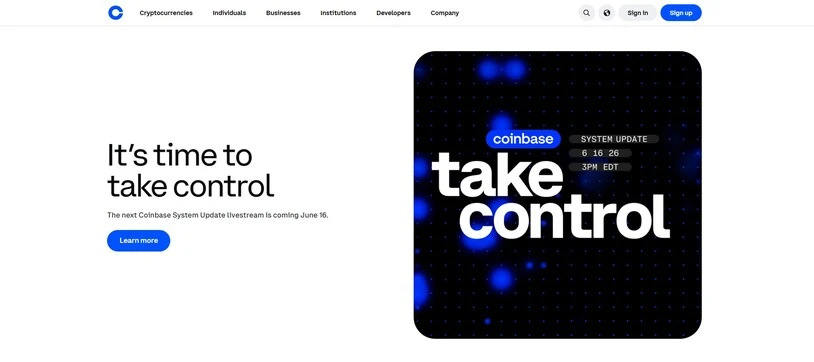
Coinbase is one of the most recognised crypto platforms in the world, and Coinbase is one of the easiest choices for UK beginners. The layout is simple, the mobile app is clean, and the platform makes it easy to buy and sell crypto without feeling lost. For a new crypto investor, that matters. Not everyone wants charts, order books, and advanced trading tools on day one.
Coinbase Advanced is better suited to users who want lower fees and more control. Coinbase states that Advanced Trade includes maker and taker fees of up to 0.4% and 0.6%, depending on activity and order type. Coinbase is also useful for crypto tax records because users can download reports, but those reports may not cover activity from other wallets. For full crypto reconciliation, UK investors may still need a crypto tax calculator or crypto bookkeeping services.
Website: Coinbase
3. Crypto.com

Crypto.com is a strong option for users who want a mobile-first crypto platform with many tokens, card rewards, and extra features. The app is popular with crypto enthusiasts who like having trading, spending crypto, rewards, and wallet tools in one place. It can be a good fit for UK residents who want to buy and sell crypto from their phone and track a broad crypto portfolio.
The platform may appeal to users looking for more than spot crypto trading. It offers crypto assets across different categories, although UK customers should always check which services are available to UK users at the time of signing up. Many platforms change features by country. Before using rewards, staking, or card products, check the fees, tax treatment, and whether the activity creates income or capital gains tax records for your crypto tax return.
Website: Crypto.com
4. eToro

eToro is best known as a trading platform that combines crypto, stocks, ETFs, and copy trading. This makes it useful for people who want crypto alongside traditional assets. A beginner may like the simple layout, while a more social investor may like the ability to follow or copy other traders. This does not remove risk. Copying someone else still means your money is exposed to the crypto market.
For UK investors, eToro may be best suited to users who want one account for several asset types rather than a pure crypto exchange. It is less focused on advanced spot crypto trading than exchanges like Kraken or Coinbase Advanced. Fees are usually shown through a spread, so users should check the final price before placing a trade. If you use eToro and other exchanges like Coinbase or Kraken, crypto reconciliation becomes important at tax time.
Website: eToro
5. Bitpanda

Bitpanda is a European platform that focuses on simple multi-asset investing. It can be useful for users who want crypto, metals, indices, and other assets in one place. For people building a diversified portfolio, this can feel easier than using many separate trading platforms in the UK. Bitpanda also supports popular crypto assets like bitcoin and ethereum, along with other coins.
The main benefit is convenience. The possible downside is that fees and spreads can be harder to compare than a simple maker-taker fee table. UK clients should check the live price, the spread, and any deposit or withdrawal fee before trading. Bitpanda may be best for people who want a clean platform, not necessarily the lowest fees. For crypto tax, users should still export transactions and keep clear crypto valuation records.
Website: Bitpanda
6. Robinhood Crypto
Robinhood Crypto is built around simple, low-cost trading. It may appeal to casual users who want to buy bitcoin or sell crypto without using a complex cryptocurrency exchange. The platform is known for simple screens and commission-free trading, although spreads can still affect the real cost. This is why “0% commission” does not always mean free trading. The final buy and sell price still matters.
For UK traders, Robinhood may be useful if they want a simple platform and do not need deep advanced trading features. It may not be the best crypto exchange for users who want detailed order types, large token lists, or professional trading tools. As with many platforms like this, users should check whether withdrawals to an external crypto wallet are supported, what the withdrawal fee is, and how easy it is to export records for crypto tax.
Website: Robinhood
7. Revolut

Revolut is one of the most convenient options for UK residents because many people already use it as a finance app. It lets users buy and sell crypto from inside a familiar mobile app. Revolut X is aimed at more active traders and uses a maker-taker fee model. Revolut states that Revolut X has 0% maker fees and 0.09% taker fees, although users should check current pricing before trading.
Revolut is best suited to everyday convenience. It is not always the first choice for users who want a full crypto wallet setup or deep professional tools. Still, it can work well for UK customers who want quick access to popular crypto assets. Revolut also warns that funds linked to cryptocurrency transactions are not protected by the FSCS. That point matters for anyone comparing crypto investments with traditional savings or investments.
Website: Revolut
8. Gemini

Gemini is often chosen by users who care about compliance, custody, and a more security-focused experience. It may suit investors who want a cryptocurrency exchange with institutional-style controls rather than just a fast trading app. Gemini ActiveTrader is designed for users who want better trading features, charts, and a maker-taker fee structure. Gemini’s fee schedule shows maker and taker fees based on trading volume and order type.
Gemini can be a good option for crypto investors who want to hold popular crypto assets and keep records in a more structured way. It is also useful for users who care about Crypto Security and cold storage. Still, no platform removes the need for personal checks. Users should confirm FCA status, withdrawal rules, crypto wallet options, and reporting tools. If you trade across Gemini and other exchanges available in the UK, crypto bookkeeping becomes more important.
Website: Gemini
9. Bitstamp
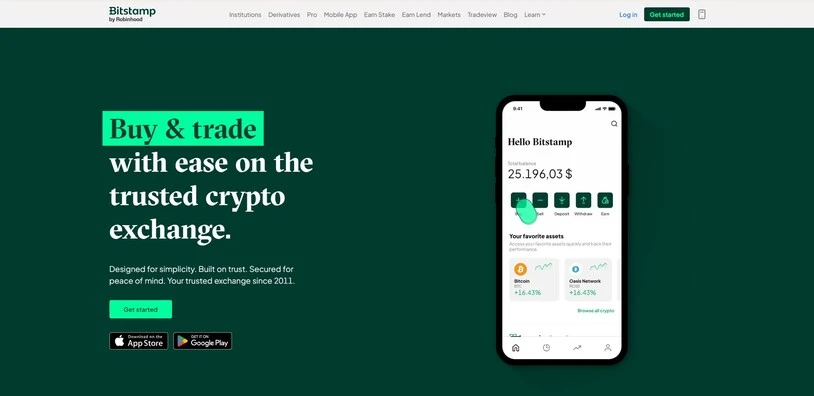
Bitstamp is one of the longest-running cryptocurrency exchanges and is often seen as a simple spot crypto trading platform. It may not have the flashiest app, but it has a strong history in the crypto industry. For UK customers who mainly want to buy and sell crypto like bitcoin and ethereum, Bitstamp can be a straightforward choice. It is also useful for users who prefer a more traditional exchange feel.
Bitstamp is best suited to people who want reliability, GBP access, and simple trading. It may not be the top choice for users looking for the newest crypto tokens, copy trading, or reward cards. The fee structure is usually competitive, but active traders should still compare maker and taker fees against exchanges like Kraken, Gemini, and Coinbase Advanced. For tax, Bitstamp records should be included in your wider crypto tax calculator or crypto reconciliation process.
Website: Bitstamp
10. Interactive Brokers
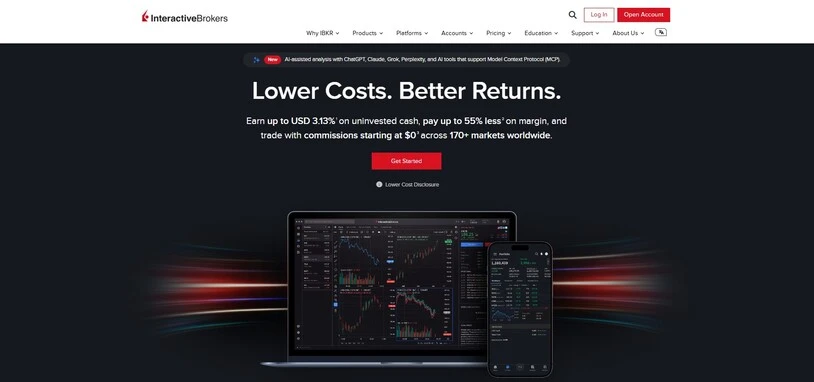
Interactive Brokers is different from most crypto trading platforms. It is mainly known as a traditional investment broker, but it also offers crypto access for eligible UK clients through partners such as Paxos or Zero Hash. Interactive Brokers states that crypto trading commissions are around 0.12% to 0.18% of trade value, with certain minimums and limits. This can make it attractive to advanced users who already trade stocks, ETFs, options, or other products.
This platform is best suited to experienced traders who want crypto alongside traditional markets. It is not the most beginner-friendly choice for someone buying their first £50 of bitcoin. It may also involve extra rules around eligibility, custody, and supported assets. Interactive Brokers says cryptoassets are unregulated in the UK on its crypto pages, so users should read the risk warnings carefully. For advanced trading and low fees, it is strong. For simple crypto-only use, other platforms may feel easier.
Website: Interactive Brokers
Who Regulates Crypto Exchanges in the UK?
Crypto regulation in the UK is split across several bodies. The FCA is the main name most users recognise, but it is not the only organisation involved. HMRC deals with crypto tax. HM Treasury shapes wider policy. The Bank of England looks at financial stability. The ASA can deal with adverts. The ICO handles personal data issues. This is why “regulated by the Financial Conduct Authority” does not always mean the same thing for every product.
In 2026, the UK crypto market is moving toward a wider regulatory framework. The FCA says the Financial Services and Markets Act 2000 (Cryptoassets) Regulations 2026 were made in February 2026 and will bring cryptoassets within its regulatory remit. However, users still need to be careful. FCA-registered crypto exchanges are not the same as risk-free platforms, and many crypto assets remain high risk.
The Financial Conduct Authority (FCA):
The FCA is the main regulator users should check when looking for a crypto exchange in the UK. It maintains the FCA register and sets rules for firms that market cryptoassets to UK consumers. Since October 2023, crypto promotions to UK retail consumers must follow strict rules, and firms must be authorised, registered, or have promotions approved by an authorised firm.
The FCA also covers anti-money laundering registration for cryptoasset businesses. However, being registered with the FCA does not mean a platform is fully protected like a bank account. The FCA says registration under money laundering rules does not mean customers get Financial Ombudsman Service or FSCS protection. So, checking the FCA register is important, but it is only one part of choosing the best UK crypto exchange.
HM Treasury (HMT):
HM Treasury sets the wider direction for UK financial policy. It helps decide how crypto assets should fit into the UK’s financial system and works on the legal framework that gives regulators their powers. HMT is important because it shapes what becomes law, while the FCA often handles the detailed rules and supervision.
For UK crypto investors, this matters because the law around crypto is still developing. New UK rules can affect which platforms are allowed to serve UK residents, how crypto asset custody service rules work, and how firms must treat UK clients. HMT does not choose the best crypto exchange for you, but its policy decisions shape the market you use.
The Office of Financial Sanctions Implementation (OFSI, within HMT):
OFSI is part of HM Treasury and deals with financial sanctions. Crypto platforms serving UK customers must take sanctions seriously because crypto can move across borders quickly. A platform may need to block certain users, freeze assets, or stop transfers when sanctions rules apply.
This matters for crypto exchanges because they must know who their users are and monitor risky activity. It is one reason FCA-registered crypto exchanges ask for identity checks before allowing users to trade crypto. Some users find this annoying, but it is part of operating in the UK legally. It also helps platforms reduce the risk of being used for criminal finance or sanctions evasion.
HM Revenue & Customs (HMRC):
HMRC handles crypto tax. If you buy and sell crypto, swap one coin for another, receive staking rewards, or dispose of crypto assets, HMRC may expect you to report gains, income, or losses. This is why crypto bookkeeping services, crypto reconciliation, and a crypto tax calculator are useful. Your exchange account is only one part of the full picture.
HMRC’s Cryptoasset Reporting Framework, known as CARF, adds more reporting pressure. HMRC guidance says UK reporting cryptoasset service providers must collect and report user and transaction data. For users, this means crypto tax records need to be accurate. If you use several platforms in the UK, keep exports from all of them, not just your main exchange.
The Bank of England (BoE):
The Bank of England focuses on financial stability and the safety of the wider financial system. It is especially important when crypto starts to connect with payments, stablecoins, banks, and large financial institutions. The BoE does not usually tell a normal user which crypto platform to choose, but it does help shape rules where crypto could affect the wider economy.
This matters more as crypto becomes linked with payment systems and large trading platforms. If a major crypto platform failed, or if a widely used stablecoin lost trust, the impact could spread. That is why the Bank of England is part of the wider UK crypto regulation picture, especially for stablecoins and systemically important payment activity.
The Prudential Regulation Authority (PRA, at the BoE):
The Prudential Regulation Authority is part of the Bank of England. It supervises banks, insurers, and major financial firms. Its role is not the same as the FCA’s role with crypto exchanges, but it matters when banks or large financial institutions touch crypto. For example, a bank offering services to crypto firms may need to think about risk, capital, systems, and controls.
For users, the PRA is more in the background. You may not deal with it directly when using Coinbase, Kraken, or other exchanges serving UK customers. Still, it affects how traditional finance connects with the crypto industry. As crypto grows, the PRA’s work may become more important for firms that combine banking, custody, payments, and digital assets.
Payment Systems Regulator (PSR):
The Payment Systems Regulator looks at payment systems in the UK. It focuses on how payments work, whether they are fair, and whether users and businesses can access them properly. This can matter for crypto platforms because many users rely on bank transfers, card payments, and faster payments to deposit or withdraw GBP.
If UK banks limit payments to crypto exchanges, users may find it harder to fund accounts or cash out. Payment access is a real issue for the crypto industry. A platform may have low trading fees, but if deposits or withdrawals are blocked or delayed, the user experience suffers. This is why payment rails matter when choosing a platform in the UK.
The Advertising Standards Authority (ASA):
The Advertising Standards Authority looks at advertising rules. Crypto adverts must not mislead people or make risky investments look safe. This matters because crypto marketing can be too simple, too bold, or too focused on gains. A clear advert should explain risk, not just talk about rewards.
For UK traders, ASA oversight helps reduce misleading claims. Still, users should not rely on adverts when choosing the best cryptocurrency exchange. A clean advert does not prove a platform has the lowest fees, strongest custody, or best tax reports. Always check the FCA register, fee schedule, withdrawal rules, and risk warnings yourself.
The Information Commissioner’s Office (ICO):
The ICO handles data protection and privacy in the UK. Crypto platforms collect a lot of personal information, including names, addresses, identity documents, bank details, wallet addresses, and transaction history. That data needs to be protected. If a platform has weak data practices, users can face serious risks.
This matters even if your crypto holdings are small. Identity documents and wallet data can be sensitive. When choosing a cryptocurrency exchange UK users should look at security, privacy, and account protection. Crypto Security is not only about cold storage. It is also about passwords, two-factor authentication, device safety, and how the company handles personal data.
The Financial Ombudsman Service (FOS):
The Financial Ombudsman Service helps settle complaints between consumers and financial firms where it has power to do so. For crypto, the position can be limited and depends on the firm and the activity. FCA registration under anti-money laundering rules alone does not automatically give users FOS protection. The FCA makes this clear in its cryptoasset AML guidance.
This is important because some users assume “FCA registered” means full protection. It does not. If something goes wrong with a crypto exchange, your complaint options may depend on the exact product, firm status, and facts. Before using a platform, check its legal terms. Also avoid keeping more crypto on any platform than you are comfortable risking.
The Competition & Markets Authority (CMA):
The Competition & Markets Authority looks at competition and consumer fairness across UK markets. In crypto, it may become relevant where platforms, payment providers, app stores, or large financial firms affect user choice. A healthy market should give users fair access, clear pricing, and enough competition between platforms.
For crypto traders, competition matters because fees, spreads, withdrawal charges, and service quality can vary a lot. If only a few platforms dominate the market, users may pay more or receive weaker service. The CMA is not a crypto tax body or a crypto asset custody service regulator, but its work can still affect how easy it is to find the best cryptocurrency platforms in the UK.
Need Help Calculating Taxes Across These Platforms?
Using one crypto platform is simple. Using five can get messy fast. A user may buy bitcoin on Coinbase, move it to a crypto wallet, trade on Kraken, sell crypto on Revolut, and hold NFTs somewhere else. Each step can affect crypto tax. HMRC does not only care about your final balance. It cares about disposals, gains, losses, income, and the correct crypto valuation in pounds sterling.
CryptoTaxation can help UK crypto investors bring this activity into one clear tax report. It supports crypto reconciliation across exchanges, wallets, and trading platforms in the UK, helping users review gains, losses, and transaction history. This is useful for people paying crypto tax, handling crypto bookkeeping services, or trying to understand whether their records are ready for HMRC. It can also help with estate planning topics such as crypto wills, where clear records can make a big difference later.
FAQs
What are Crypto Platforms?
Crypto platforms are online services that let users buy, sell, hold, transfer, or trade crypto assets. Some platforms are simple apps for beginners. Others are advanced trading platforms with charts, order books, maker and taker fees, and deep trading volume. A crypto platform may also offer a crypto wallet, card products, staking, or custody services.
In the UK, users should check whether a platform is registered with the FCA, what fees it charges, and whether it serves UK residents. A platform in the UK may be good for buying bitcoin, but not ideal for advanced trading or tax reporting. The best crypto platform depends on your goal, experience, and risk level.
How do new HMRC crypto exchange reporting rules (CARF) work?
CARF stands for Cryptoasset Reporting Framework. It is a system for collecting and reporting cryptoasset user and transaction data. HMRC guidance says reporting cryptoasset service providers in the UK must collect information and report it to HMRC. This can include user details and transaction information.
For UK investors, this means crypto tax records matter more than ever. If your exchange reports data, HMRC may be able to compare that data with your tax return. A crypto tax calculator can help, but only if your exchange exports, wallet transfers, and crypto valuation data are correct. Guessing is risky.
Which UK crypto platforms report transaction data directly to HMRC?
HMRC’s CARF rules apply to reporting cryptoasset service providers, not just one named exchange. This means platforms that provide cryptoasset services in the UK may have reporting duties if they fall within the rules. HMRC guidance says service providers must collect and report information on relevant users and transactions.
The exact platforms reporting can depend on their legal structure, services, and user base. Large exchanges serving UK customers are more likely to be affected than small tools with no reporting role. UK crypto investors should assume their activity may become more visible and keep full records from all platforms, including off-platform wallet transfers.
Can HMRC see my off-exchange or self-custody crypto?
HMRC may not see every self-custody wallet movement automatically in the same way an exchange sees account activity. But that does not mean off-exchange crypto is invisible or tax-free. Blockchains are public, and exchanges can report deposits, withdrawals, and user data under reporting rules. From there, wallet activity may be easier to trace.
This is where Cryptocurrency Tracing can matter. If funds move from an FCA-registered platform to a private wallet, there may still be a record of the withdrawal. UK residents should keep notes on wallet ownership, transfers, swaps, and DeFi activity. Self-custody gives control, but it also gives you more responsibility for records and crypto tax reporting.
What are the mandatory FCA rules for UK crypto platforms in 2026?
In 2026, UK crypto platforms must pay close attention to FCA rules on financial promotions, anti-money laundering registration, risk warnings, customer checks, and the developing cryptoasset regulatory regime. The FCA says crypto promotions to UK consumers must follow the financial promotions regime, even if the firm is based overseas.
The FCA has also published information about the new cryptoasset regime. It says firms will need authorisation once the new regime is in place and must show they can meet FCA standards. For users, the key point is simple: check the FCA register, read risk warnings, and avoid platforms that are unregulated in the UK or not allowed to serve UK residents.
Is crypto protected by the Financial Services Compensation Scheme (FSCS) in the UK?
In most cases, no. Crypto is not protected like money in a UK bank account. The FSCS says cryptoassets generally are not protected, and the FCA has also warned that cryptoassets and NFTs are not FSCS protected. This means that if a platform fails, gets hacked, or cannot return assets, users may not get compensation.
This is one of the most important points for UK investors. FCA-registered crypto does not mean risk-free crypto. Before choosing a platform, look at security, custody, withdrawal options, fees, and your own risk limit. For larger crypto holdings, many users prefer a private crypto wallet, but that also requires strong personal security.

- Crypto Mining Tax Guide (UK 2026): Rules, Rates & Reductions - August 26, 2026
- Crypto Tax Guide UK 2026/27: HMRC Rules, Rates and Deadlines - August 26, 2026
- Best Crypto Platforms in the UK (2026) - July 26, 2026


